
Protect Your Investment with Winter RV Storage Tips
Protect Your Investment with Winter RV Storage Tips
Tom Gustafson
May 29th, 2026
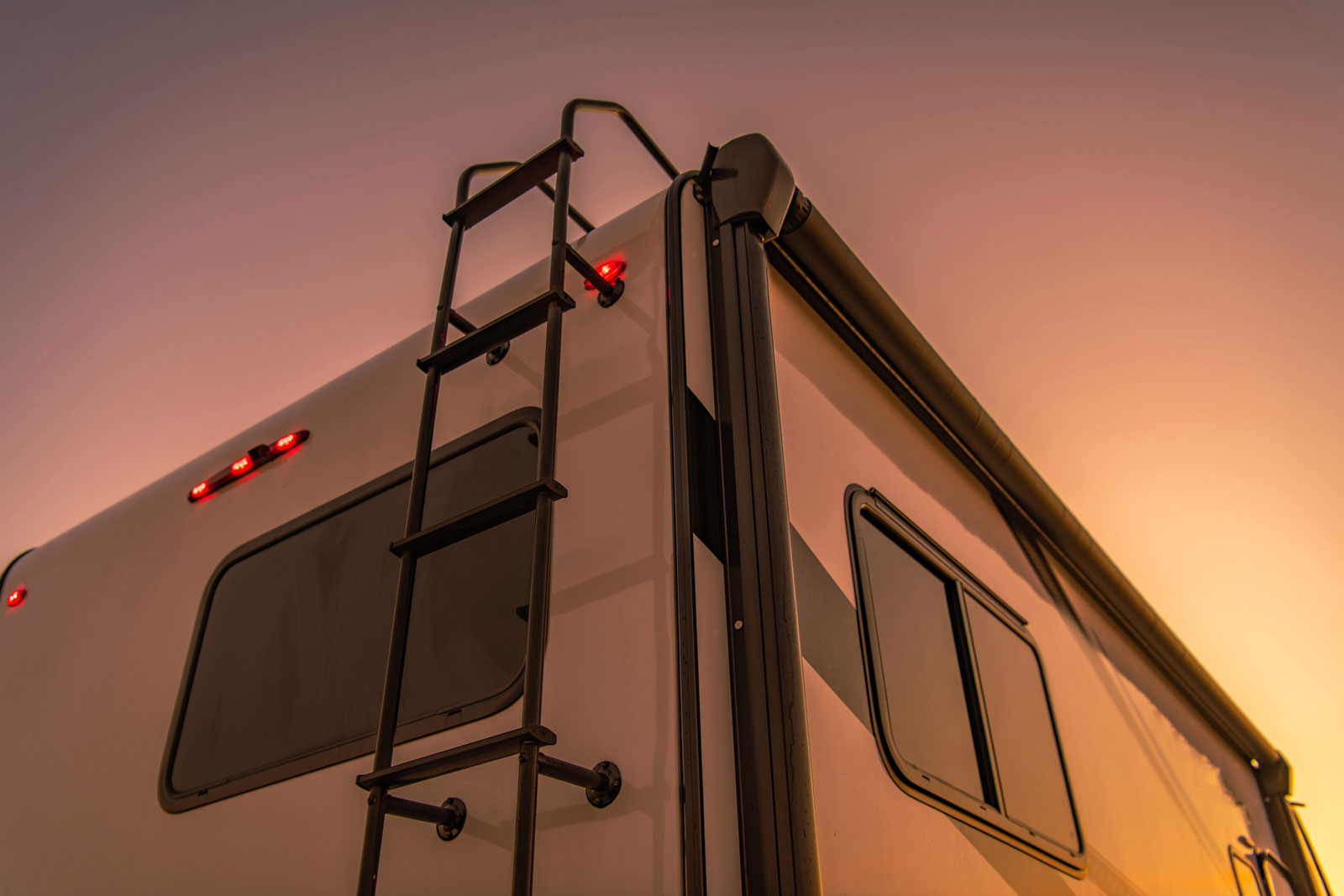
Proper winter RV storage helps protect your vehicle from frozen plumbing, battery damage, tire deterioration, and moisture buildup during colder months. Preparing your RV before temperatures drop by draining water systems, sealing openings, maintaining batteries, and using the right storage setup can reduce repair costs and extend the life of your investment.RV ownership continues to grow across the United States, with 8.1 million American households currently owning an RV, according to the RV Industry Association. That growing investment makes proper seasonal protection even more important, especially for owners dealing with freezing temperatures, snow, and long storage periods. Whether your RV stays indoors or outside during winter, consistent preparation and RV winterization can help prevent expensive damage and keep it ready for the next travel season.
Why Proper Winter RV Storage Matters
Cold temperatures can cause serious damage to an RV that sits unprotected for months. Water lines may freeze, batteries can lose charge, and moisture often builds up inside sealed spaces. Good winter RV storage lowers the risk of expensive repairs and helps keep the vehicle in better condition for future trips.Several problems tend to appear during long winter storage periods:
- Frozen plumbing
- Tire and battery damage
- Moisture and roof issues
Frozen Plumbing
Frozen pipes remain one of the most common winter problems for RV owners. Water expands as it freezes, which can crack plumbing lines, faucets, and holding tanks. Repairing water damage often costs far more than basic RV winterization.
Tire and Battery Damage
Cold weather affects rubber tires and battery performance. Tires may lose pressure or develop flat spots while parked for extended periods. Batteries slowly drain in freezing conditions, especially when left connected.
Moisture and Roof Issues
Snow, ice, and trapped humidity create moisture problems inside many RVs. Mold and mildew grow quickly in damp areas. Roof seals may weaken over time, which can lead to leaks during heavy winter weather.
Essential RV Winterization Steps Before Storage
Preparing an RV for winter takes more than parking it and covering it up. Cold air, trapped moisture, and leftover water can damage several parts of the vehicle during long storage periods. A solid RV winterization routine helps protect plumbing, batteries, tires, and interior surfaces from seasonal wear.Several steps help reduce damage while storing an RV in winter:
- Plumbing protection
- Battery and electrical care
- Interior preparation
Protecting the Plumbing System
Water systems need attention before freezing weather arrives. Start by draining all freshwater lines, water heaters, and holding tanks.Many RV owners use compressed air to clear leftover water from pipes. After draining the system, add RV antifreeze made for recreational vehicles. Standard automotive antifreeze should never go into RV plumbing systems.
Battery and Electrical Care
Battery damage becomes common during long winter storage periods. Disconnect batteries before storage and clean away any corrosion around the terminals.Some owners remove batteries and store them indoors where temperatures stay more stable. Checking the battery charge every few weeks helps prevent deep discharge problems.
Interior Preparation
Small interior tasks make a big difference during cold weather RV care. Remove food, paper products, and anything that attracts pests.Open cabinet doors to improve airflow inside the RV. Moisture absorbers help lower humidity and reduce the chance of mold growth during the winter months.
Choosing the Best Winter Storage Option
Storage location plays a major role in protecting an RV during colder months. Some setups offer stronger protection from snow, ice, and moisture, while others focus more on affordability. The right choice often depends on climate, budget, and how long the RV will stay parked.
Indoor vs. Outdoor Storage
Indoor winter RV storage offers the highest level of protection. Enclosed buildings shield RVs from snow, freezing rain, and strong winds. Temperature swings tend to be less severe inside covered structures, which helps protect seals, tires, and exterior surfaces. Indoor spaces usually cost more and may have limited availability during peak storage season.Covered outdoor storage gives partial protection at a lower price. Roof coverings help reduce snow buildup and direct sun exposure.Open outdoor parking remains the least expensive option, though RVs face full exposure to winter weather. A breathable RV cover helps reduce moisture buildup while protecting the exterior finish.
Climate Considerations
Regional weather patterns matter when storing an RV in winter. Heavy snow areas often require stronger roof protection and regular inspections. Milder climates may allow outdoor storage with fewer concerns, though cold weather RV care still matters during freezing nights and wet conditions.
Frequently Asked Questions
How Often Should You Visit Your RV During Winter Storage?
Checking an RV at least once each month helps catch problems early. Snow buildup, roof leaks, pests, and battery issues may develop during long storage periods. Quick inspections can prevent larger repair bills later in the season.
Is It Better To Store an RV With a Full or Empty Fuel Tank?
Most owners store motorized RVs with a nearly full fuel tank and a fuel stabilizer added before storage. A fuller tank helps reduce condensation inside the fuel system. Stabilizer products help keep fuel from breaking down during long winter storage periods.
Can Solar Panels Help Maintain an RV During Winter?
Solar panels can support battery charging during RV maintenance in winter. Performance often drops during cloudy weather and shorter winter days. Panels still help maintain battery levels when the RV stays parked outdoors for several months.
Better RV Storage
Proper winter RV storage helps protect your vehicle from freezing temperatures, moisture damage, battery failure, and costly repairs. Consistent preparation, regular inspections, and smart storage choices can extend the life of your RV and keep it ready for travel once warmer weather returns. Small maintenance steps often prevent major problems later.At Dynamic Storage Spaces in Bondurant, we offer oversized storage units built for RVs, boats, contractors, and personal storage needs. Our facility features wide aisles, easy back-in access, powered units, Bluetooth smart locks, HD security cameras, and secure 24/7 entry. Unlike cramped storage facilities, we provide clean, spacious access designed for large vehicles, trailers, business equipment, and household storage, making loading, unloading, and maneuvering much easier year-round.Get in touch today to find out how we can help with your storage needs!Lorem ipsum dolor sit amet.
Categories