What Size Storage Unit for an RV Measure Height First


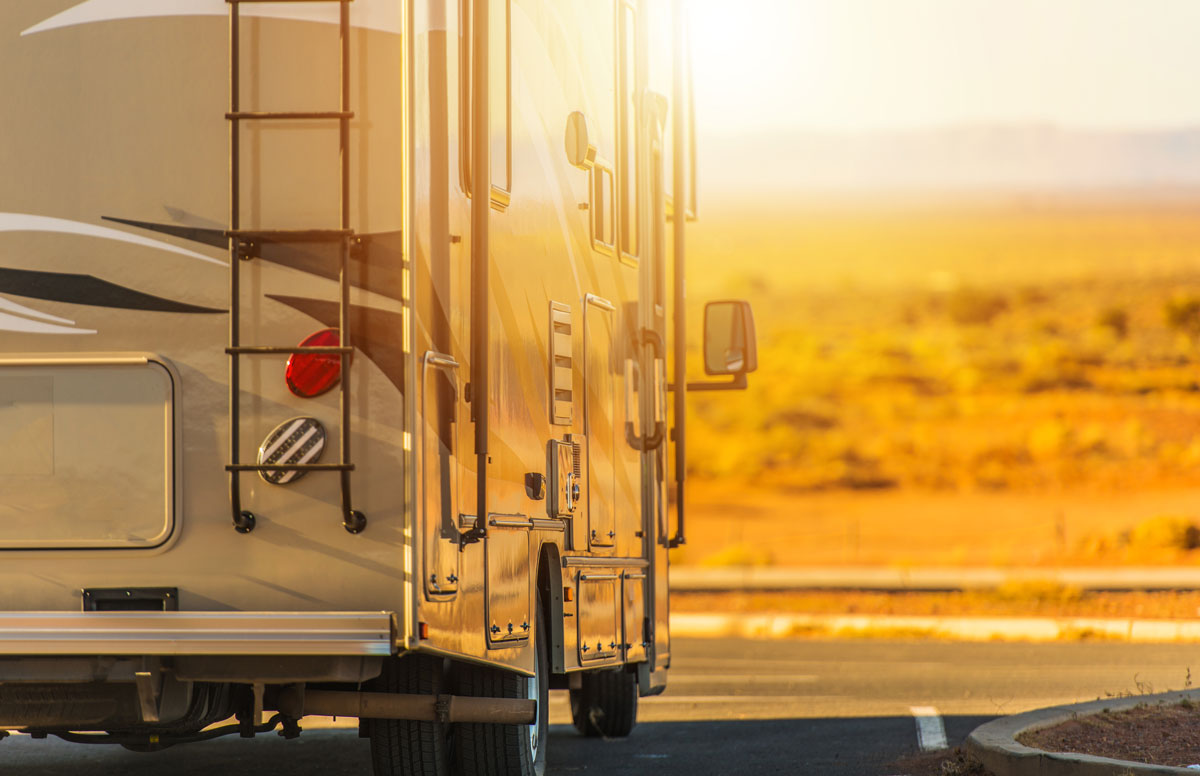
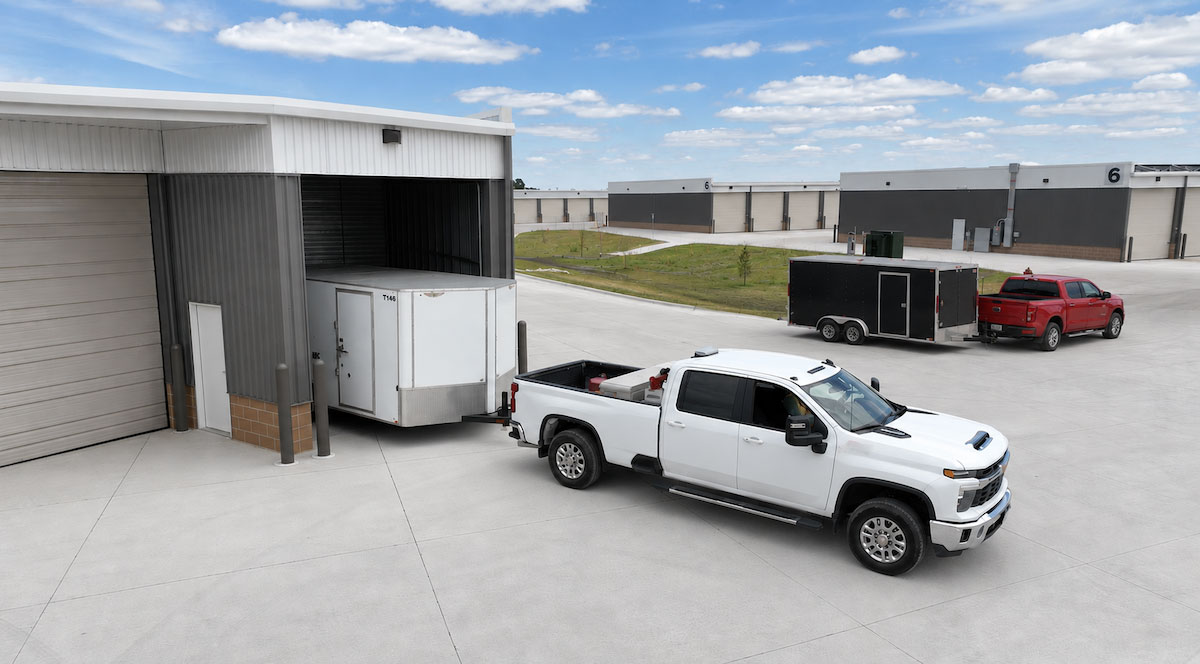
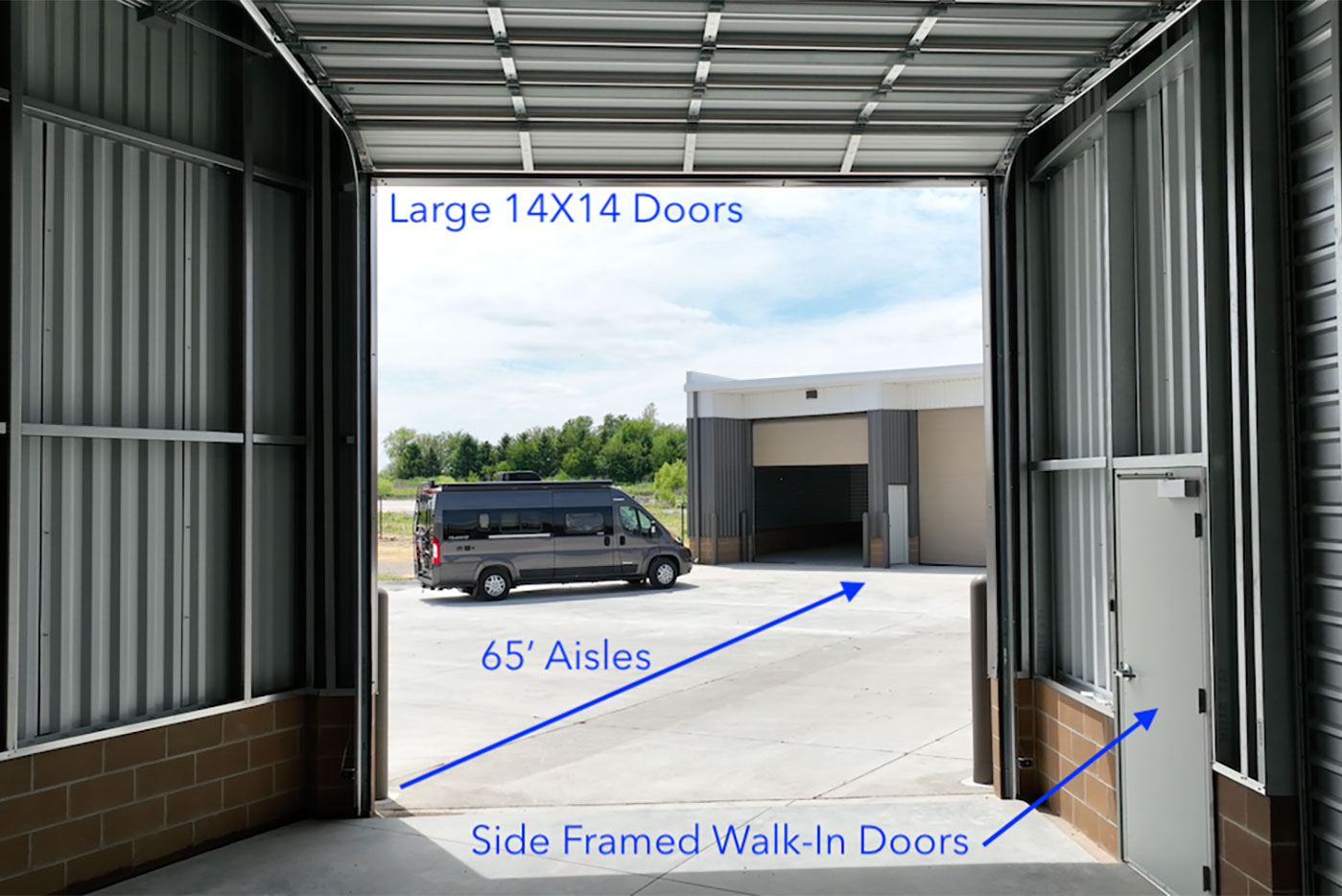
The right size storage unit for an RV is decided by height, not length. Most people measure the rig front to back, find a unit longer than that number, and never look at the door. The door is what stops you. Enclosed vehicle units generally come with one of three clear openings: 12 feet, 14 feet, or 16 feet. A travel trailer, a Class B, or most Class C motorhomes will walk through a 12-foot door. A Class A or a high-profile fifth wheel usually will not, and needs a 14-foot opening or better. So measure your rig to its true high point, including the rooftop air conditioner, add six to twelve inches of margin, and match that number to the door before you look at anything else. Key takeaways Length gets you in the right neighborhood. Door height decides whether the rig actually goes in. Measure to your true high point, which is usually the air conditioner and sometimes something you forgot was up there. Ask any facility whether its door number is the clear opening or the rough framing. That gap can run six inches. A 14-foot clear opening beats Iowa's 13 foot 6 inch legal height limit, so on height, if it is road legal it fits. Do not buy height you do not need. The unit is long enough and the rig still does not fit Every September the calls start coming in from people who want their camper put away before the snow. That is the right time to call. What I wish more of them would do first is get up on a stepladder with a tape measure.Because here is how it goes wrong, and it goes wrong the same way every time. Somebody with a 36-foot fifth wheel shops online, finds a unit 40 feet deep, does the math in his head, books it. He hitches up, drives out here, swings wide, lines up on the door. The air conditioner shroud sits above the header.Nothing about that reservation was wrong except ...


August 25th, 2026


Boat Storage Near Saylorville Big Creek and Lake Petocka


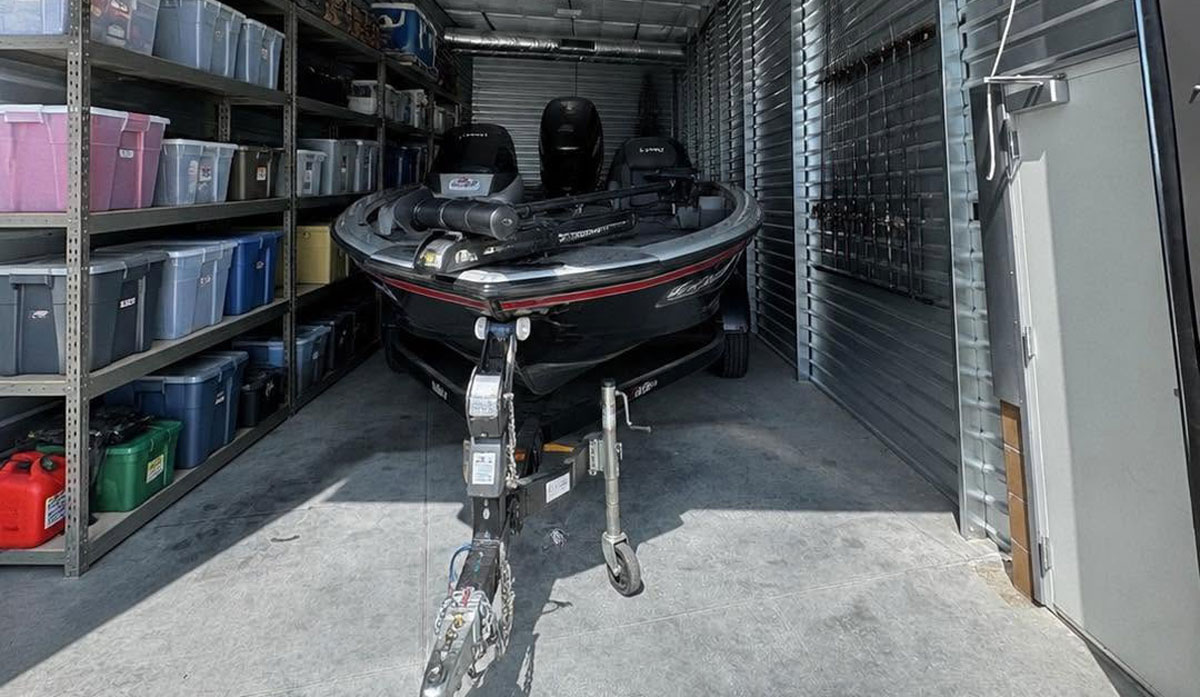
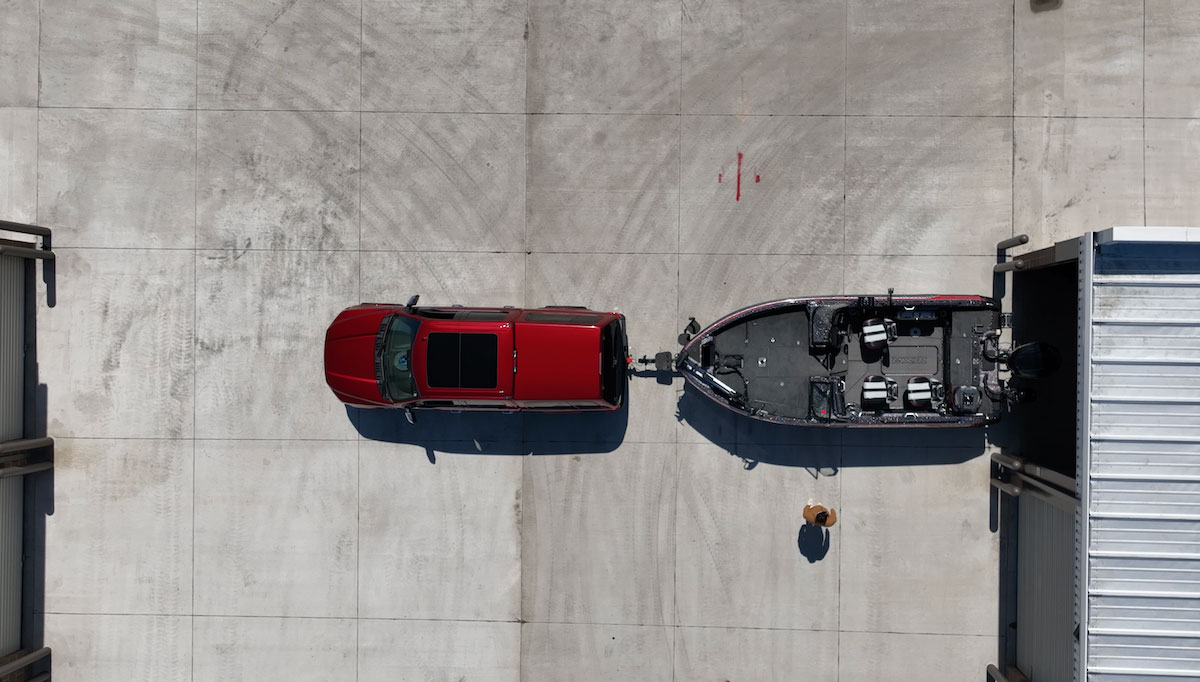
The three lakes closest to Bondurant run under three different rule sets, and which one you use should shape how you store your boat. Lake Petocka, right here in town, is a 19-acre city fishing lake open to non-motorized craft only, hand launched, so there is no ramp for a trailer. Big Creek Lake at Polk City takes any size motor but holds the entire lake to 5 mph, which makes it a fishing, sailing, and cruising lake rather than a ski lake. Saylorville is the open water, and it is a flood-control reservoir, so ramps close when the river comes up. Whichever you run, the boat spends most of its life on a trailer, and it needs somewhere dry and secure inside an easy tow of the ramp you actually use. Key takeaways Lake Petocka is non-motorized and hand-launch only. Lovely water, but you are not backing a trailer down it. Big Creek allows any size motor at 5 mph across the whole lake, so there is no legal way to pull a skier. Saylorville is where the open-water boating happens, and its ramps close on high water. Cleaning the boat and pulling the drain plug at the ramp is Iowa law, and it happens to be the right way to put a boat into storage. Storage here is not only a winter problem. A wet June can take your ramp away in the middle of the season. Three lakes, three different sets of rules I keep a boat, so I have had this conversation in our driveway more than once. Somebody buys a wake boat in April, gets it home, and finds out in June that the lake they had pictured using it on caps everybody at idle speed.People treat the water around here as a single thing. Central Iowa boating, close enough. But Petocka, Big Creek, and Saylorville answer to three different authorities under three different rule sets, and the gap between them is the difference between a good summer and an expensive misunderstanding. Here ...


August 11th, 2026


Storage Unit vs Leasing Shop Space for Your Business


For most contractors and small businesses, a powered storage bay beats leasing shop or flex space when what you mainly need is a secure place to keep tools, materials, a trailer, or inventory, and to get a crew in and out. A bay rents month to month at a flat rate, with no build-out, no security deposit, and no triple-net charges stacked on top. A commercial lease wins when you need a customer-facing address, zoning for manufacturing, food, or auto work, staff on site full time, or a loading dock and three-phase power. The honest line most storage pages skip: you store, stage, and load out of a bay, you do not run a storefront from one, and your zoning and lease will say the same. Here is how to tell which one your business actually needs. Key takeaways A powered bay rents month to month at a flat rate, with no build-out, deposit, or triple-net charges. A commercial lease usually locks you into years. A bay is for storing, staging, and loading, not for running a customer-facing or manufacturing operation. Check your zoning and your lease. The features that make a bay work like a small shop are in-unit power, climate control on the larger units, and a phone key you can share with a crew and shut off when someone leaves. A lease wins when you need foot traffic, special zoning, full-time staff on site, or a dock and three-phase power. The number to compare is not the bay rate against a gravel lot. It is the flat bay rate against base rent plus everything a lease adds on top. The garage is full and the truck is not a storage unit It usually starts the same way. The garage fills up, the good tools ride around in the truck because there is nowhere better, and the work trailer cannot sit on the street without a ticket. You are moving the same pallet twice to get at the one behind it, and you are burning a ...


July 23rd, 2026


Enclosed vs Outdoor RV and Boat Storage in Des Moines


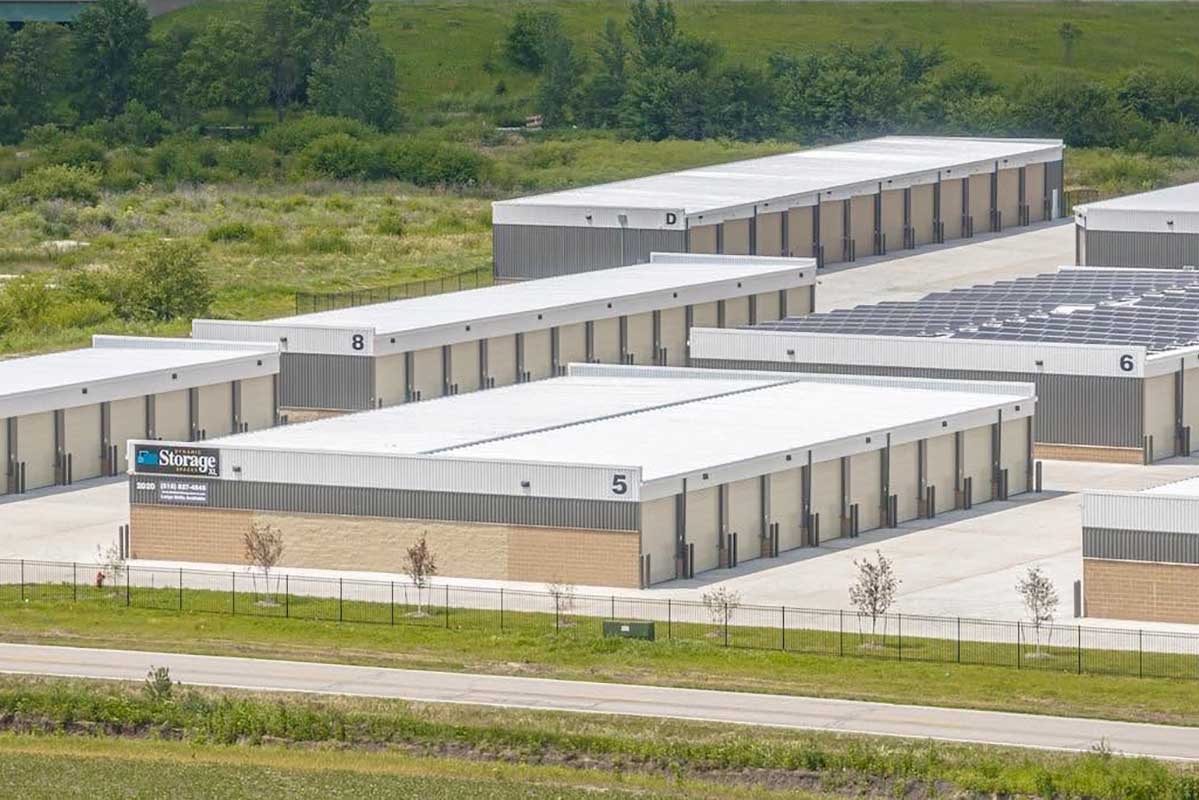
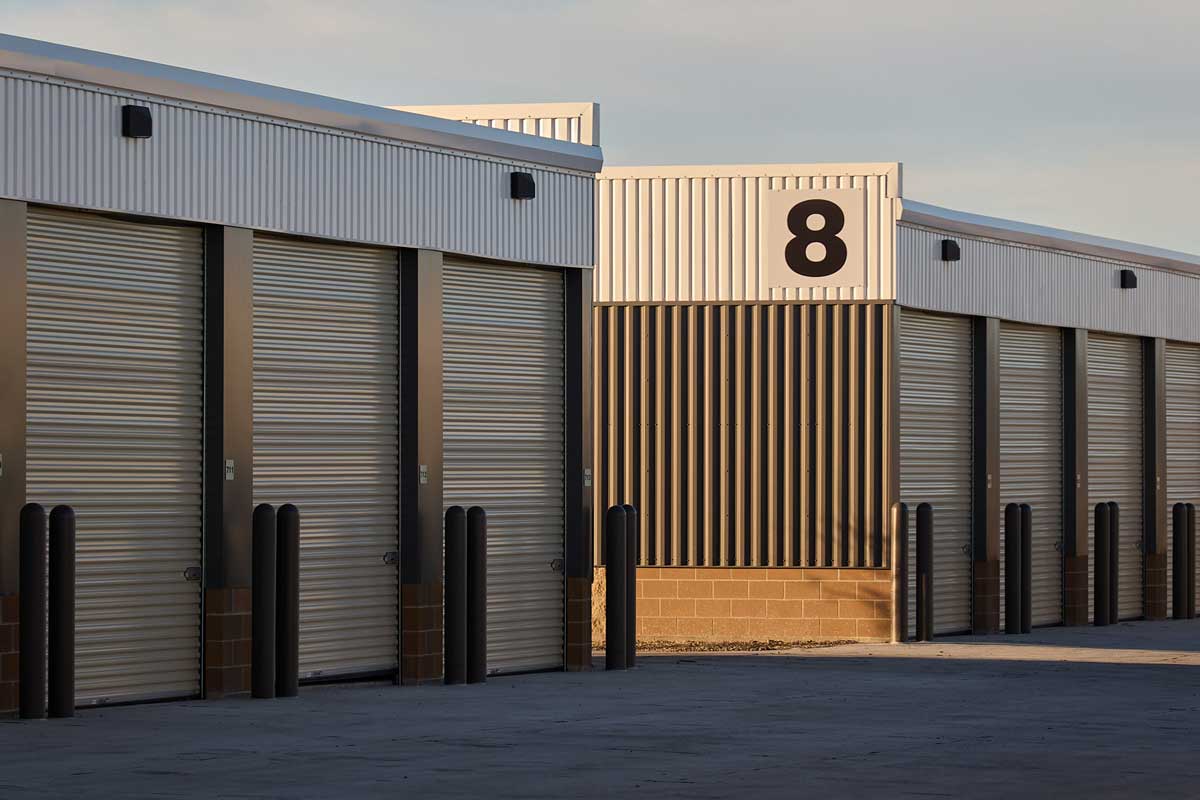
Enclosed RV and boat storage with wide concrete aisles in Bondurant, Iowa near Des Moines

You have three real ways to store an RV or boat around Bondurant: an enclosed unit you drive into and lock, an outdoor lot where it sits in the open, or your own driveway or side yard. The same three choices cover anything large: a wake boat, a landscaping trailer, a box truck, or the overflow inventory a business has outgrown its garage. The right call comes down to two things, what the thing is worth to you and how an Iowa winter treats it sitting still. Enclosed storage protects the most and costs the most, and it earns that on anything you plan to keep for years. An outdoor lot is the cheapest paid option and fine for a short stint or an older rig you do not mind weathering. Parking at home is free, if you have the room and the rules allow it. Here is how all three compare, so you can pick without guessing. Key takeaways Enclosed storage is the top tier. It handles weather, freeze, and security, and it is worth the money on anything you will own for years, a camper or a trailer full of tools. An outdoor lot is the cheapest paid option and a fair call for short-term parking or something you have already gotten your money out of. Parking at home costs nothing, but Bondurant, Altoona, and Ankeny each set rules, and those often cover work trailers and commercial vehicles as strictly as campers. Your HOA may add its own. Match the storage to what the thing is worth and how often you reach for it, not to the lowest monthly number. First, be honest about how you will use it Most people pick storage backwards. They start with the monthly price, rent the cheapest thing that fits, and find out in April what that decision cost them: a dead battery, flat-spotted tires, and a soft spot in the roof where water sat all winter.Start somewhere else. Ask what the thing is worth to you, how long ...


July 15th, 2026


7 Smart Ways to Optimize RV Self Storage


Optimized RV self storage.

RV self storage gives you reliable protection and easy access when you follow seven practical steps:Prepare your RV with a thorough cleaning and inspection routine Choose storage with wide aisles for effortless maneuvering Safeguard your vehicle against moisture and pests Optimize storage space with vertical organizers and smart bins Maintain readiness using on-site power and motion-sensor lighting Adopt secure RV self storage methods with smart locks and surveillance Apply efficient RV storage hacks through a regular maintenance schedule Storage works best when it keeps your RV protected and ready for the next trip instead of turning into a source of costly surprises. 1. Prepare Your RV With a Thorough Cleaning and Inspection Routine Start every storage period with a full cleaning inside and out. Remove all food Wipe surfaces Vacuum floors Clean the refrigerator and tanks Check seals around windows and doors for gaps that let in moisture or pests Inspect tires for proper pressure and look for cracks or dry rot Test batteries and consider a maintainer if the RV will sit for more than a few weeks Stabilize fuel in the tank to prevent condensation and gumming These steps stop small problems from growing into expensive repairs. A clean, inspected RV also holds its value better when you decide to sell or trade later. 2. Choose Storage With Wide Aisles for Effortless RV Maneuvering The right facility layout makes a big difference when you move large vehicles in and out. Look for wide concrete aisles that let you back in without tight turns or scraping. Easy back-in access and large door openings reduce stress on your RV and your vehicle. When you can drive straight in and out, you spend less time maneuvering and more time enjoying your trips. 3. Safeguard Your RV Against Moisture and Pests During Storage Safeguarding RV vehicles starts with controlling the environment around them. Use moisture absorbers or a small dehumidifier inside the unit when possible. Leave cabinet doors open slightly for airflow and place pest traps or blocks in corners. Cover tires and consider a full RV cover that breathes to block UV rays and rain while letting ...


June 30th, 2026


How to Choose a Secure RV Storage


Secure RV storage unit with smartphone lock.

The best secure RV storage combines strong security features with layouts built specifically for larger vehicles. Standard units often create problems because they were never designed for motorhomes or easy maneuvering with work vehicles. When you choose a facility made for RVs and similar equipment, you get better protection along with far fewer daily frustrations.Recent figures highlighted by E3 Camping show that more than 30,000 recreational vehicles are stolen each year in the United States, with storage facilities accounting for a large share of those cases. This reality makes it worth your time to understand exactly what keeps an RV safe when it sits unused for weeks or months at a time. Where to Store an RV When Not in Use? Some people store their RV at home, which gives you quick access, but it can create problems with: Space Security Local rules Others try informal lots or basic self-storage facilities. These choices sometimes cost less upfront, yet they often lack the room needed for easy maneuvering. Backing a large fifth wheel or travel trailer into a tight spot can quickly turn stressful, especially if the surfaces are uneven or the rows feel cramped.Dedicated RV storage solutions usually offer a clearer path forward. These facilities, such as Dynamic Storage Spaces, design their layouts around the real size and movement needs of: RVs Boats Work vehicles Wide drive lanes and stable surfaces make drop-off and pick-up smoother. Many owners find that safe RV parking options built specifically for larger rigs reduce both the physical strain and the worry that comes with moving their RV in and out. Are Storage Units Safe From Theft? The concern about theft is valid. As mentioned before, the data shows that storage facilities represent a significant portion of RV theft incidents each year. Thieves look for places where they can work quickly with less chance of being noticed.However, not all storage carries the same level of risk. The real difference comes down to the security measures in place. Certain facilities, like ours at Dynamic Storage Spaces, make it ...


June 17th, 2026


Protect Your Investment with Winter RV Storage Tips


Winter RV Storage

Proper winter RV storage helps protect your vehicle from frozen plumbing, battery damage, tire deterioration, and moisture buildup during colder months. Preparing your RV before temperatures drop by draining water systems, sealing openings, maintaining batteries, and using the right storage setup can reduce repair costs and extend the life of your investment.RV ownership continues to grow across the United States, with 8.1 million American households currently owning an RV, according to the RV Industry Association. That growing investment makes proper seasonal protection even more important, especially for owners dealing with freezing temperatures, snow, and long storage periods. Whether your RV stays indoors or outside during winter, consistent preparation and RV winterization can help prevent expensive damage and keep it ready for the next travel season. Why Proper Winter RV Storage Matters Cold temperatures can cause serious damage to an RV that sits unprotected for months. Water lines may freeze, batteries can lose charge, and moisture often builds up inside sealed spaces. Good winter RV storage lowers the risk of expensive repairs and helps keep the vehicle in better condition for future trips.Several problems tend to appear during long winter storage periods: Frozen plumbing Tire and battery damage Moisture and roof issues Frozen Plumbing Frozen pipes remain one of the most common winter problems for RV owners. Water expands as it freezes, which can crack plumbing lines, faucets, and holding tanks. Repairing water damage often costs far more than basic RV winterization. Tire and Battery Damage Cold weather affects rubber tires and battery performance. Tires may lose pressure or develop flat spots while parked for extended periods. Batteries slowly drain in freezing conditions, especially when left connected. Moisture and Roof Issues Snow, ice, and trapped humidity create moisture problems inside many RVs. Mold and mildew grow quickly in damp areas. Roof seals may weaken over time, which can lead to leaks during heavy winter weather. Essential RV Winterization Steps Before Storage Preparing an RV for winter takes more than parking it and covering it up. Cold air, trapped moisture, and leftover water can damage ...


May 29th, 2026


Winter Boat Storage: Ultimate Guide for Boat Owners


Winter Boat Storage: Ultimate Guide for Boat Owner

Winter boat storage is one of the smartest ways to protect your vessel when cold weather settles in. A secure storage space helps guard against snow, ice, moisture, UV exposure, and the kind of winter wear that can lead to expensive repairs later.The National Marine Manufacturers Association says that an estimated 85 million Americans go boating every year. That means millions of owners need a reliable plan once the season changes and the boat has to come off the water.Winter in Iowa does not leave much room for guesswork. Freezing temperatures, wind, snow, and repeated thaw cycles can all take a toll on your boat if it is not stored and prepared correctly.The right storage choice keeps your boat safer, cleaner, and easier to use when spring returns. Why Is Winter Storage So Important for Boat Owners? A boat left unprotected through winter can run into a long list of problems. Water can freeze in the wrong places.Moisture can settle into upholstery and wiring. Sun exposure can fade finishes and dry out materials.That is why the best boat storage options are not just about convenience. They are about preserving value and reducing stress when the boating season begins again.Good storage helps protect: The hull The engine Interior surfaces Electrical systems Fuel quality Overall appearance Boats are a major investment, and winter should not be the season that puts that investment at risk. How Do You Winterize a Boat Before Storage? Knowing how to winterize a boat is just as important as choosing the right unit. A properly prepared vessel will handle the off-season far better than one that is simply parked and covered.Before storage, many owners take these steps: Drain water from the engine and plumbing systems Add fuel stabilizer Charge or disconnect the battery Clean the interior and exterior Remove food, gear, and personal items Cover the boat properly Winter boat storage prep is not busywork. It is the difference between a smooth spring launch and a long repair list.If you need a reminder on how to handle fuel, maintenance, or storage prep, a guide like a fuel ...


May 22nd, 2026


Storage Units in Bondurant, IA: 7 Steps to Determine How Many You Need


security cameras

Storage units in Bondurant, IA, become essential when your space stops working the way it should. Whether you are dealing with clutter, life transitions, or growing storage needs, having a secure, accessible place for your belongings can bring immediate relief and long-term flexibility.Moving and storage needs are more common than most people realize. According to the U.S. Census Bureau, millions of Americans move each year, with most relocations involving either housing transitions or lifestyle changes that require temporary storage solutions within self-storage facilities.Are you constantly shifting things around just to create space? That is usually the tipping point. When your home starts working against you instead of for you, it is time to make a smarter move. 1. Your Home Feels Constantly Cluttered Clutter does not show up all at once. It builds quietly, filling shelves, closets, and corners until your space feels tight and difficult to manage.You start noticing it in small ways. Counters stay full. Closets stop closing easily. Rooms lose their purpose.At some point, organizing is no longer enough because the real issue is space.That is where a storage unit changes the equation. Instead of forcing tough decisions about what to keep, you create room to breathe while still holding onto what matters. You can even keep items secure without having to part with your belongings. 2. You're Running Out of Seasonal Storage Space Seasonal items have a way of taking over. Decorations, winter gear, summer equipment, they all sit unused for months, yet they occupy valuable space year-round.Before long, you are rotating items just to keep up. What you need now is buried behind what you do not.That cycle slows you down and adds unnecessary frustration.Moving those items into a dedicated storage unit keeps your home clear and functional while improving how you manage storage unit sizes throughout the year. When the seasons change, everything is still there, just not in your way. 3. You're Moving or Renovating Transitions bring momentum, and clutter can kill it fast. During a move or renovation, your ...


May 13th, 2026


Why It's Time to Upgrade Your Business Storage in Bondurant, IA


Dynamic Storage Solutions at 2020 NE 78th Ave Bondurant, IA 50035

Business storage in Bondurant, IA, is no longer just about finding extra space. It is about improving efficiency, protecting equipment, and giving your operation room to grow. If your current setup feels cramped or outdated, upgrading to a modern storage solution can make a noticeable difference in your daily workflow.According to recent U.S. Census data, small business growth continues to rise across the country. That growth often brings new challenges, especially when it comes to managing inventory, tools, and vehicles.If your space is limiting how you operate, it may be time to rethink your approach. Upgrading your storage is not just about convenience. It is about positioning your business for long-term success. Signs Your Current Storage Setup Is Holding You Back Many businesses start with basic storage and outgrow it quickly. What worked in the beginning may no longer support your day-to-day needs. Limited room for equipment or inventory Difficult access for trailers or work vehicles No electricity for tools or maintenance Poor lighting or visibility Security concerns with older facilities These issues can slow down operations and create unnecessary stress. When accessing your tools or materials becomes a challenge, productivity takes a hit.A business storage upgrade can eliminate these barriers and create a more efficient working environment. How Spacious Storage Options Improve Daily Operations Space matters more than most people expect. When your storage unit is designed for large vehicles and equipment, everything becomes easier to manage.At Dynamic Storage Spaces, units are built with size and accessibility in mind.Wide concrete aisles allow for smooth maneuvering, even with trailers or oversized work trucks. Large door openings and easy back-in access reduce the time and effort required to load or unload.That efficiency adds up over time. Instead of navigating tight corners or struggling with limited space, you can focus on getting the job done.Spacious storage options also allow for better organization. When everything has a place, it is easier to keep track of inventory and equipment. What Are the Advantages of Powered Storage Units? One of the biggest upgrades modern facilities offer is built-in ...


April 30th, 2026


Items per page
10
1 - 10 of 14 posts
Categories