
Is Climate Controlled Storage Worth It for an Iowa Winter
Is Climate Controlled Storage Worth It for an Iowa Winter
Tom Gustafson
September 14th, 2026
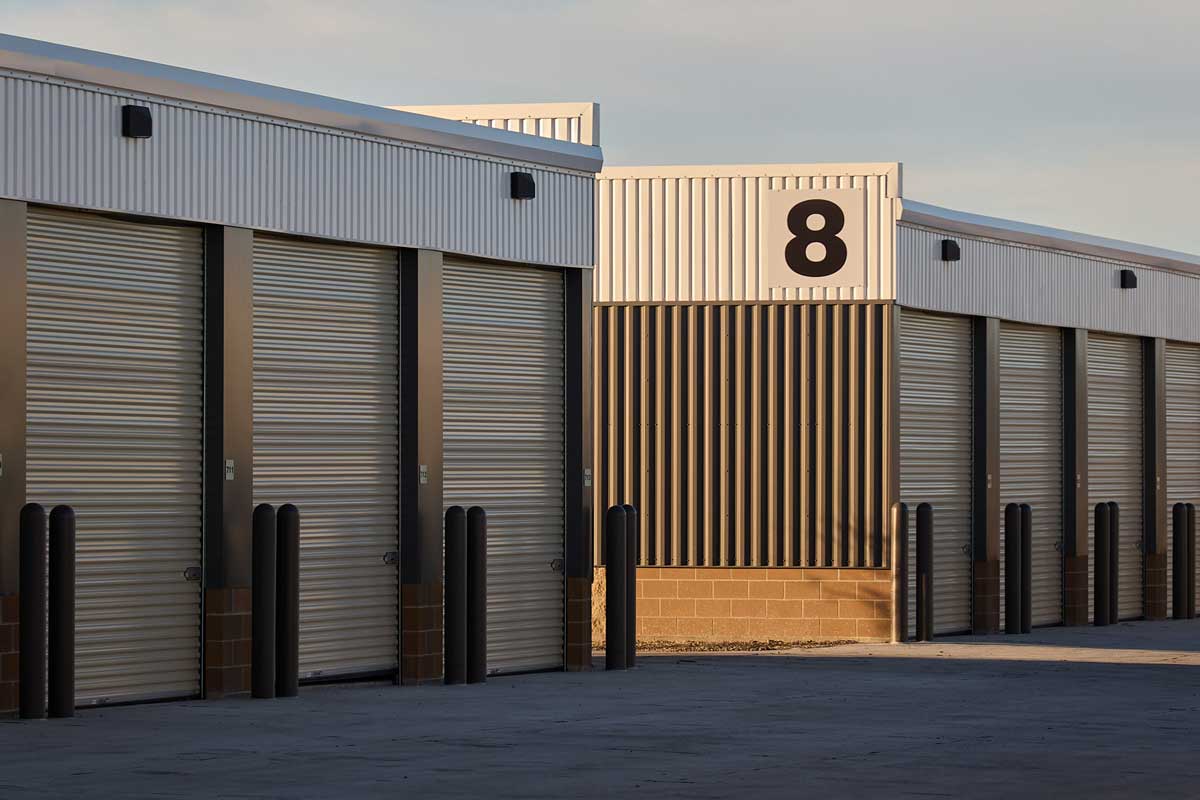
For most boats and RVs stored around Bondurant and the northeast Des Moines metro, climate control is not what saves your rig. Getting the water out of it is. Winterize a travel trailer or a fishing boat properly and park it in an enclosed, powered bay, and it comes through an Iowa winter fine without a single degree of heat. Heat earns its premium in a narrow set of cases: you are not going to winterize, you leave soft goods and electronics in the rig all season, you have a seal or plumbing problem you have not fixed, or you are a business storing materials with a minimum storage temperature on the label. Most people are none of those, and most people are paying for a system they do not need. Here is how to find out which side you are on.
Key takeaways
- Cold rarely ruins a stored rig. Water does. Three kinds of it: water left in the plumbing, moisture in the air, and a battery that drains down and then freezes.
- A winterized boat or camper in an enclosed, powered bay does not need heat. Winterizing and a battery maintainer come first, every time.
- Climate control pays when you will not winterize, when upholstery and electronics stay in the rig all season, or when a business stores materials with a minimum storage temperature.
- Climate controlled and heated are not the same thing. One handles humidity. The other only holds a temperature, and humidity is usually the part that matters.
- The number that decides it is the gap between the two rates for the same size unit, multiplied by the months you will actually store.
What does climate controlled actually mean?
The industry talks in three words, and the three words do not mean the same thing. An ambient or unheated enclosed unit is a private bay with a roof and a door and no conditioning in it. It keeps off the wind, the sun, the snow, and the hail. Inside, the temperature still tracks the weather, just with a delay. Heated or temperature controlled means the space holds a floor temperature so it will not drop below freezing. It does nothing about humidity. And humidity is usually the part that does the work.Climate controlled means temperature and moisture are both managed, typically with active dehumidification rather than just a cold coil blowing air. The moisture is the point of the whole system. The EPA puts it plainly: mold needs water, and the fix is to hold relative humidity below 60 percent, ideally 30 to 50.So when you call anyone, us included, ask two things. What temperature does the unit hold. And does it manage humidity. If nobody can answer both, you are being sold a word and not a system.
What damages a boat or RV over an Iowa winter?
Almost always water. It arrives three different ways, and only one of the three is a heating problem.Water left in the plumbing. It expands as it freezes and splits lines, fittings, and pump housings. This is the expensive one, and the one people assume heat solves. It does not, at least not reliably. Getting the water out solves it. Winnebago's storage walkthrough covers both methods, antifreeze through the lines or blowing them out with air. Either costs you an afternoon. A monthly premium costs you four months.Moisture in the air. A closed-up rig full of cushions, mattresses, and life jackets holds moisture, and every temperature swing moves it around and condenses it somewhere you cannot see. Central Iowa is unusually good at making those swings happen. It is not the single cold snap that does the damage. It is the thaw in mid-January that refreezes two days later, over and over, across the whole span the National Weather Service tracks in its freeze calendar for the state. This is the damage climate control genuinely prevents, and it is the damage people notice last. Usually in April. Usually by smell.The battery. Which most people get backwards.
Will climate control save my battery?
No. Shore power will. And it costs you about thirty dollars once.A lead-acid battery does not freeze because it got cold. It freezes because it got low. Fully charged, the electrolyte is dense with acid and stays liquid well past anything Iowa produces. As it discharges, the electrolyte drifts closer to plain water, and the freezing point climbs. Battery Council International figures, published by Battery University, put a fully charged starter battery at roughly 67 below zero. A heavily discharged one sits at about 5 above. Five above is an ordinary January night here. Once that electrolyte freezes, it expands, the case cracks, and the battery is scrap.Over four months of storage a propane detector, a stereo memory, and a solar controller each pull a little current, and the battery walks itself down, week by week, into exactly that range. Heating the building does not stop the walk. Keeping the battery charged does. Every unit at our facility has an outlet in it for that reason. Plug in a maintainer and one of the three reasons people rent climate control just disappears. I tell people this the minute they call in October. It is not a sales line, and it is the first thing I say.
When is climate control worth paying for?
There are real cases. These are the ones that hold up:
- You are not going to winterize. Some people know themselves. If the rig gets parked in November with water still in it, pay for the conditioned space and stop pretending otherwise.
- You store it loaded. Mattresses, bedding, jackets, tackle bags, a tote of life vests. Five months of trapped moisture is how you get a smell that will not come out of the foam, and I have seen it that way.
- Leather, veneer, electronics, or instruments. A wake boat with a leather interior and a screen at the helm is a different animal from a riveted aluminum fishing boat. So is a restored car.
- A known seal or plumbing problem. Conditioning does not repair it. It slows the damage while you wait on a shop appointment, and around here in spring that wait can run weeks.
- You want to work on it in February. This one nobody mentions. A conditioned bay with power is the difference between a winter project that happens and one that sits until May.
When is it not worth paying for?
More often than the industry likes to admit. An aluminum fishing boat. A properly winterized travel trailer. A utility trailer. A rig you have already pulled the soft goods out of. Durable things, drained, in an enclosed bay that is already keeping off the weather. That combination has handled an Iowa winter without heat for a long time, and it will handle another one. Short stints, too. Six weeks between a late fall trip and a February run south buys you conditioning you will barely use.Here is the part worth saying out loud, because it costs us money to say it. Climate control does not make up for skipping the winterizing. Leave water in the lines, count on the heat, then watch an ice storm take the power out for two days in January, and you will find out exactly what you were paying for. Drain it either way. The heat is a second layer, never a first one.If you are still choosing between an enclosed bay, an outdoor lot, and your own driveway, we worked that through in our guide to enclosed versus outdoor RV and boat storage.
What about business inventory and materials?
Different problem, and a stronger argument for conditioning than anything on the recreational side.Water-based products freeze at roughly the temperature water does, because water is what is doing the freezing. Latex paint, PVA wood glue, most caulks, joint compound, plenty of adhesives. Freeze them once and they separate, curdle, or lose the binder, and you find out on a job with a customer standing there. Nearly all of them carry a minimum storage temperature on the label, usually higher than people assume and often well above freezing rather than at it. Read the label. Same goes for print stock, which takes on moisture and curls, and anything with a cure temperature or a battery in it.The real difference from the camper side is that this is not seasonal. A contractor or a distributor pays for the space twelve months a year, so conditioning is an operating cost rather than a winter one, and the math lands differently. We covered the broader version of that in our comparison of a storage bay against leasing shop space.
How to do the math before you decide
Skip the comparison everyone reaches for first. A bay rate against a gravel lot down the road is not the question. Those two things do not do the same job, and the comparison is a trap. The only number that settles this one is the gap between the conditioned and the non-conditioned rate for the same size unit. Multiply that gap by the months you will actually store, six for a boat or a camper around here, twelve for a business, and you have a real figure.Then set it against the specific damage you are preventing, not the value of the whole rig. Not what the boat is worth. What it costs to redo a mildewed interior, replace a set of cushions, or write off a pallet of finish that froze. Sometimes that lands obviously in one direction. When it lands close, my honest advice is to winterize properly and rent the unconditioned unit. I would rather lose the sale than have you pay for a system that does not cover the damage you actually have.Rates move, so run your numbers against live ones rather than anything in an article. Current sizes and pricing are on the availability and pricing page, and the size guide will help you land on the right size first.
Where our facility fits
Dynamic Storage Spaces XL sits on the east side of Bondurant, about 1,500 feet from Lake Petocka and a short run to Saylorville and Big Creek. Our bays run from 14x35 up to 18x50, and climate control here is an option rather than a tier. Pick the size your rig or your operation needs first, then decide separately whether you want conditioning, on every size except the smallest. The conditioned units run in-floor radiant heat through the winter and air conditioning with active dehumidification in the warm months, which behaves differently from a heater hung on a wall. Every unit, conditioned or not, has an outlet and interior lighting. If you want to know what ours hold and whether your rig needs it, call and ask. A good share of the time the answer is no, and that is a fair answer.
Frequently asked questions
What is the difference between climate controlled and heated storage?
Heated storage holds a minimum temperature and leaves humidity alone. Climate controlled manages both, usually with dehumidification alongside the heating and cooling. For stored vehicles the humidity side is often doing the real work, so ask which one you are actually renting.Will my RV freeze in an unheated storage unit?
The rig is fine. Water left inside it is not. With the plumbing drained or filled with RV antifreeze and the battery on a maintainer, an unheated enclosed unit handles an Iowa winter without trouble. Leave water in the lines and the building temperature becomes the only thing between you and a cracked fitting, and that is a thin margin to bet on.Do I still need to winterize if I rent a climate controlled unit?
Yes. Conditioning is a system, and systems lose power. An extended outage during an ice storm is exactly when you would need the drained lines most. Treat climate control as a second layer, not a replacement for getting the water out.Is climate controlled storage worth it for a boat?
It depends far more on the interior than the hull. A drained and covered aluminum fishing boat does not need it. A wake boat or a pontoon with upholstery, carpet, and electronics staying aboard all winter is a much stronger case, especially if you leave gear in it.
Sorting it out for this winter
If you are working through this for the season ahead, the useful next step is to see what sizes are open and talk to someone who can answer the question about your specific rig. Check current availability and pricing, or call us at (515) 827-4545 and ask for a tour. Bring your measurements, and the height with the air conditioner on top, because that is the number people forget.
Categories